 (951) 902-3258

By Renato Romero Jr., J & R Elite Roofing
Before approving a metal roof project, you'll want to know how long the process takes from the first day of work to completion. The answer depends on roof size, complexity, deck condition, and local permit timelines. What follows gives you realistic expectations for each stage of a metal roof installation in Southern California, so you can plan around the project, set accurate expectations for disruption, and recognize whether your contractor is on schedule. For questions about our service areas, visit our locations page.
What Are the Key Steps in Metal Roof Installation?
Metal roof installation isn't a single task. It's a sequence of dependent steps, each of which must be completed correctly before the next can begin. Shortcuts at any stage propagate forward as defects in subsequent work.
How Is Roof Deck Preparation Conducted?
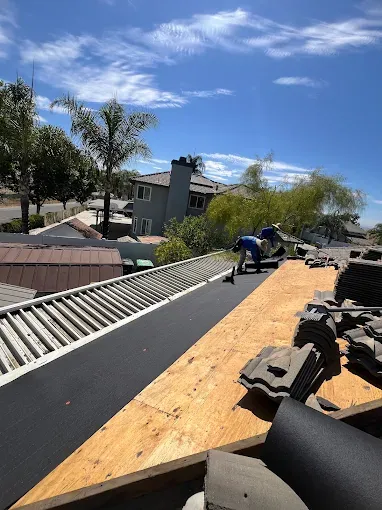
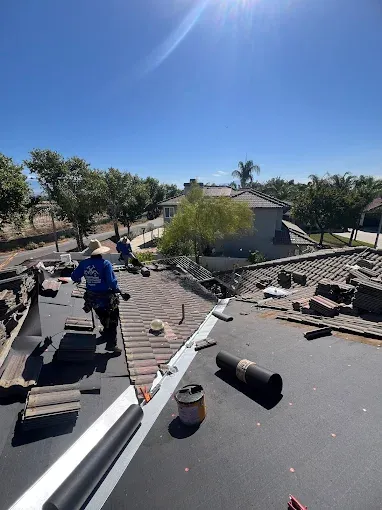
Deck preparation is the foundation of the entire installation. The existing deck is inspected for rot, soft spots, and structural compromise. Damaged sections are replaced; the entire deck surface is confirmed flat and fastener-secure before any new material goes on. An underlayment appropriate for metal roofing, typically a high-temperature synthetic underlayment rather than standard felt, is installed to provide a secondary moisture barrier and thermal break. Local roofing contractors familiar with Riverside's building department requirements handle the permit documentation alongside this phase.
What Materials Are Needed for Each Installation Stage?
- Deck repair: 5/8" CDX plywood or OSB for any damaged sections; structural fasteners to meet local code requirements.
- Underlayment: high-temperature synthetic (180°F+ rated), required under metal panels in California's climate.
- Metal panels: pre-cut to length or field-formed; standing seam clips, seaming tools, and panel fasteners.
- Flashing and trim: eave, rake, ridge, valley, and penetration flashing; all custom-bent to fit.
- Sealants: butyl tape at laps; paintable sealant at all trim and penetration details.
How Long Does Each Stage of Metal Roof Installation Take?
| Stage | Typical Duration | Primary Variables |
|---|---|---|
| Permit pull and approval | 3–10 business days | City/county processing times |
| Tear-off (if re-roofing) | 1 day | Roof size, layers to remove |
| Deck inspection and repair | 1–3 days | Extent of damage found |
| Underlayment installation | 0.5–1 day | Roof area and complexity |
| Metal panel installation | 2–5 days | Roof complexity, panel system |
| Flashing and trim completion | 1–2 days | Number of penetrations and details |
| Final inspection | 0.5 day + city scheduling | Inspector availability |
What Is the Typical Duration for Roof Deck Preparation?
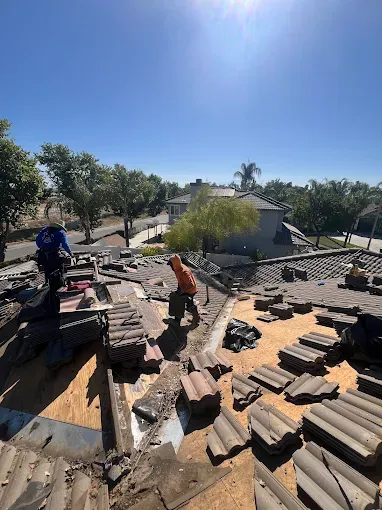
For a roof in good condition, deck prep takes one day: inspection, minor repairs, and underlayment installation. If significant deck damage is found (common on roofs over 20 years old in the Inland Empire), plan for 2–3 days. This is where experienced contractors distinguish themselves. A thorough deck assessment before the project starts catches damage that would otherwise appear as a change order midway through installation.
How Much Time Is Required for Metal Panel Installation?
Panel installation on a straightforward gable roof of 1,500–2,000 sq ft typically runs 2–3 days for standing seam. Complex roofs with multiple slopes, valleys, hips, dormers, or skylights take longer. Four to five days is common for architecturally complex homes. Weather delays are less common with metal than with other materials; metal panel installation can proceed in light wind and moderate temperatures, though heavy rain and gusty conditions stop work.
What Permits and Preparations Are Required Before Installation?
Which Permits Are Needed for Metal Roofing in Southern California?
In Riverside County and its incorporated cities, including Riverside, Moreno Valley, Norco, and Corona, a building permit is required for any re-roofing project. The permit process involves submitting project specifications (material type, weight per square, underlayment details) to the building department, typically 3–10 business days for approval. Some cities offer over-the-counter permit processing for straightforward residential re-roofing. Your contractor should handle permit procurement. If they suggest skipping the permit, that's a red flag.
How Does Weather Impact Installation Scheduling?
In Southern California, weather rarely causes multi-day delays the way it does in wetter climates. The primary scheduling concern is wind. Standing seam installation requires panels to be handled at elevation, and sustained winds above 25–30 mph stop work for safety. Santa Ana season (October–January) occasionally creates multi-day weather windows. Most projects are scheduled with a 10–15% buffer on total timeline to account for one-day weather interruptions.
How Does Roof Type Affect Metal Roof Installation Duration?
Installation Time Differences Between Residential and Commercial Roofs
Residential re-roofing projects in Southern California typically complete in 5–10 working days total (including deck prep, panel installation, and trim work). Commercial roofing projects are longer. Larger surface areas, more complex drainage configurations, and more penetrations (HVAC curbs, exhaust vents, rooftop access hatches) add days to the schedule. A 5,000 sq ft commercial flat roof replacement typically runs 2–3 weeks. For residential roofing projects, J&R provides project-specific timelines before work begins.
How Roof Size and Complexity Influence Installation Timeline
A simple 1,500 sq ft gable roof is a fundamentally different project from a 2,500 sq ft roof with four hips, two valleys, three skylights, two chimneys, and a dormer. Both might have the same square footage, but the complex roof has 5–6x the linear feet of flashing details, each requiring custom bending, fitting, and sealing. Above a certain threshold, complexity drives timeline more than square footage does.
What Are the Post-Installation Maintenance and Repair Timelines?
When Should Roof Maintenance Be Scheduled After Installation?
Schedule your first professional maintenance check 6 months after installation. That's close enough to catch any installation-related settling issues, and soon enough to address them within the workmanship warranty period. Annual inspections follow. J&R provides a first-year inspection as part of every installation project. Ongoing roof maintenance and inspections keep the system performing at its designed lifespan.
How to Plan for Emergency Roof Repairs and Inspections
After any significant weather event, including wind over 60 mph, hail, or heavy rain that reveals a new leak, schedule an inspection within 48 hours. Prompt inspection catches damage while it's still contained and prevents secondary losses to insulation and interior finishes. For urgent situations, J&R's emergency roof repair services are available around the clock.
How Much Does Metal Roof Installation Cost Over Time?
What Is the Typical Cost Timeline for Metal Roof Installation?
For a standard Southern California residential project, the cost structure breaks down roughly as: 60% materials and accessories, 30% labor, 10% permit, disposal, and overhead. Payment typically follows a deposit-at-signing / progress-payment / completion-payment structure. J&R doesn't require payment in full upfront. Any contractor who does should be scrutinized carefully.
How Do Financing Options Affect Installation Scheduling?
Financing approval typically adds 2–5 business days to the pre-construction phase. Most projects can begin within 1–2 weeks of financing confirmation, subject to material lead times. Some standing seam panel systems carry 3–6 week lead times when custom colors or gauges are specified. Standard colors from major manufacturers are usually available within 1–2 weeks. To get a quote and start the process, contact us today.
Ready to Put a Date on It?
Once you've approved the estimate, we'll walk you through the full project schedule before we touch anything. No surprises. J&R Elite Roofing handles permits, scheduling, and coordination across Moreno Valley, Riverside, San Bernardino, and the surrounding Inland Empire.
Get Started Today or call (951) 902-3258